STILL LIFE
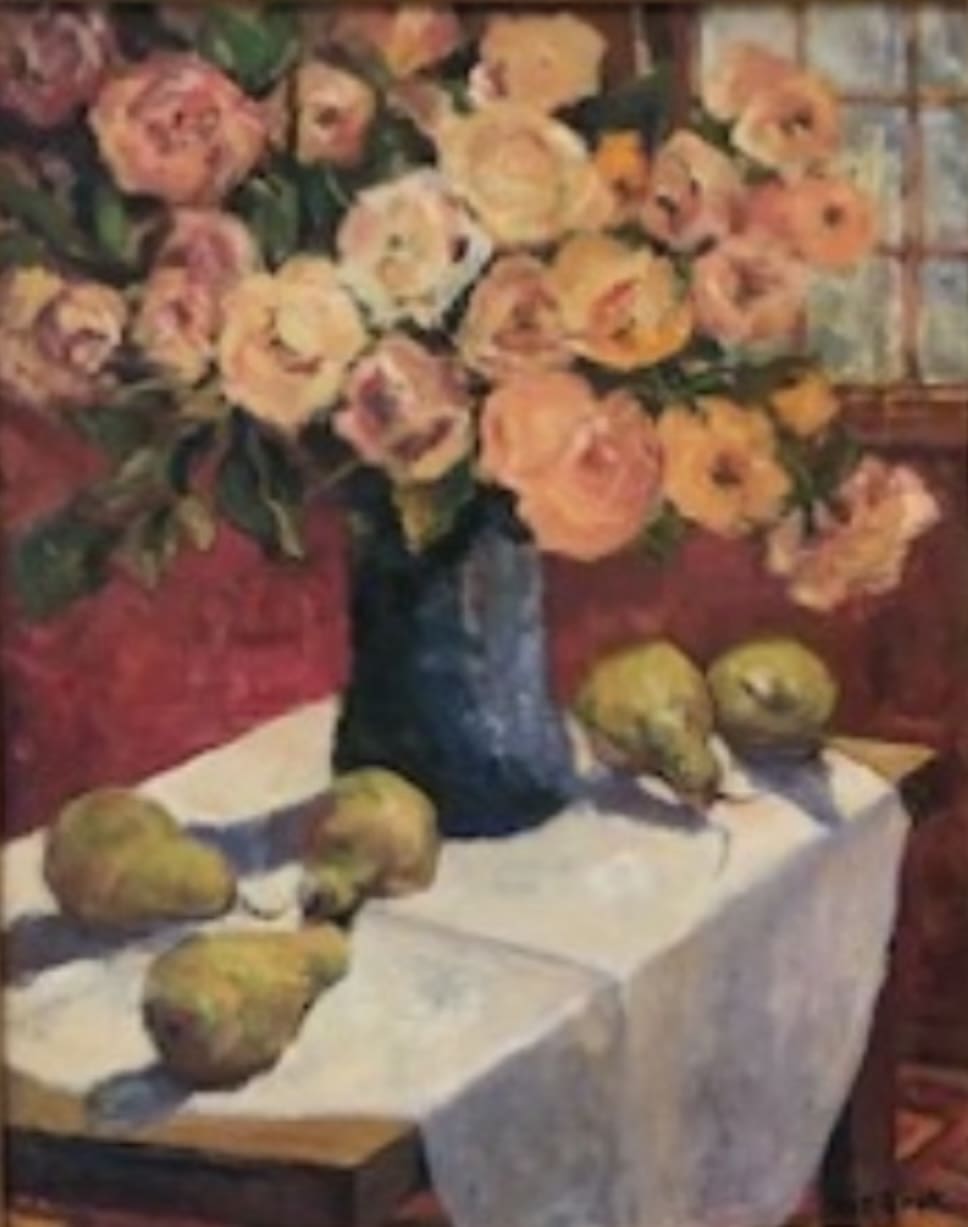
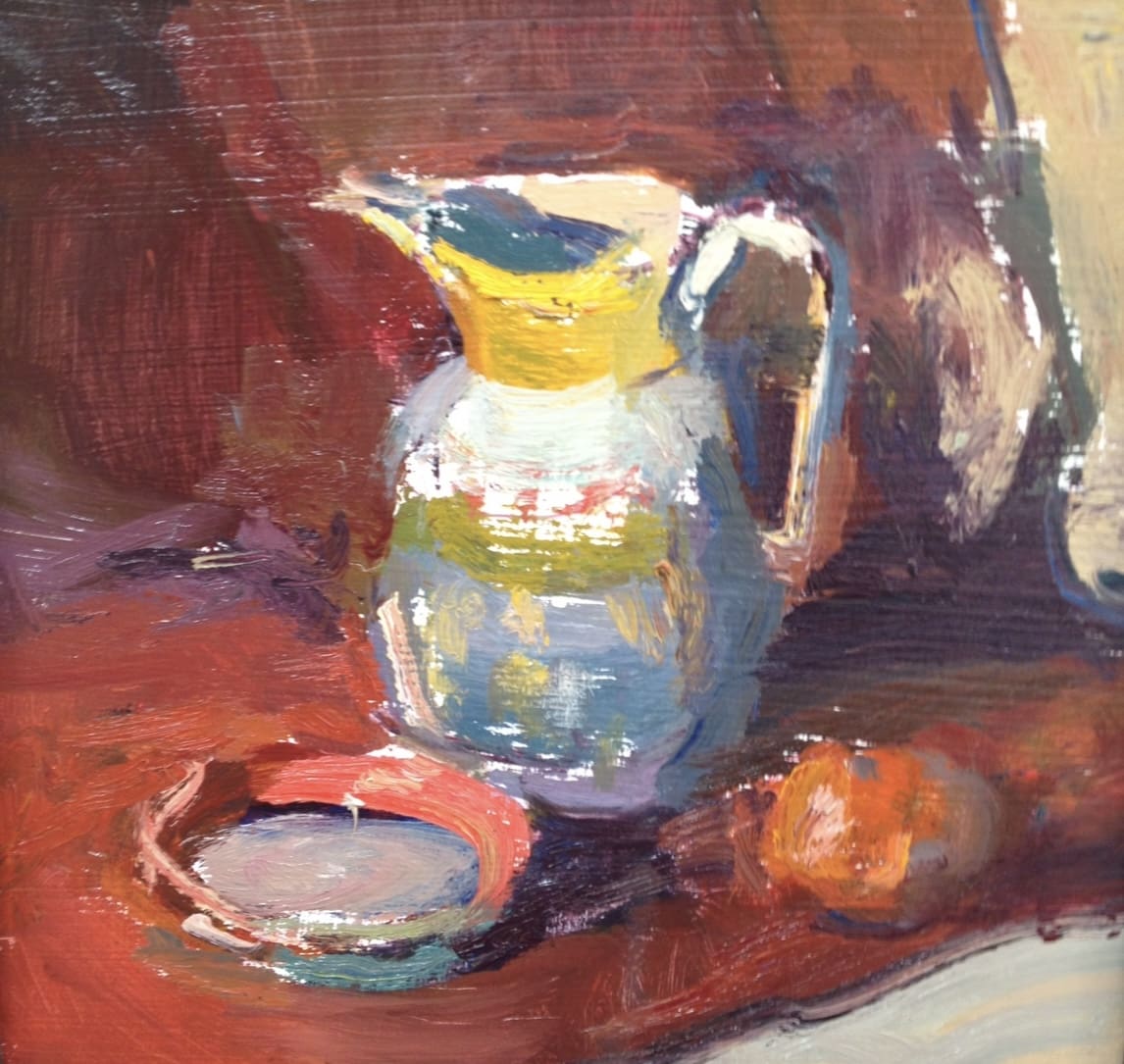
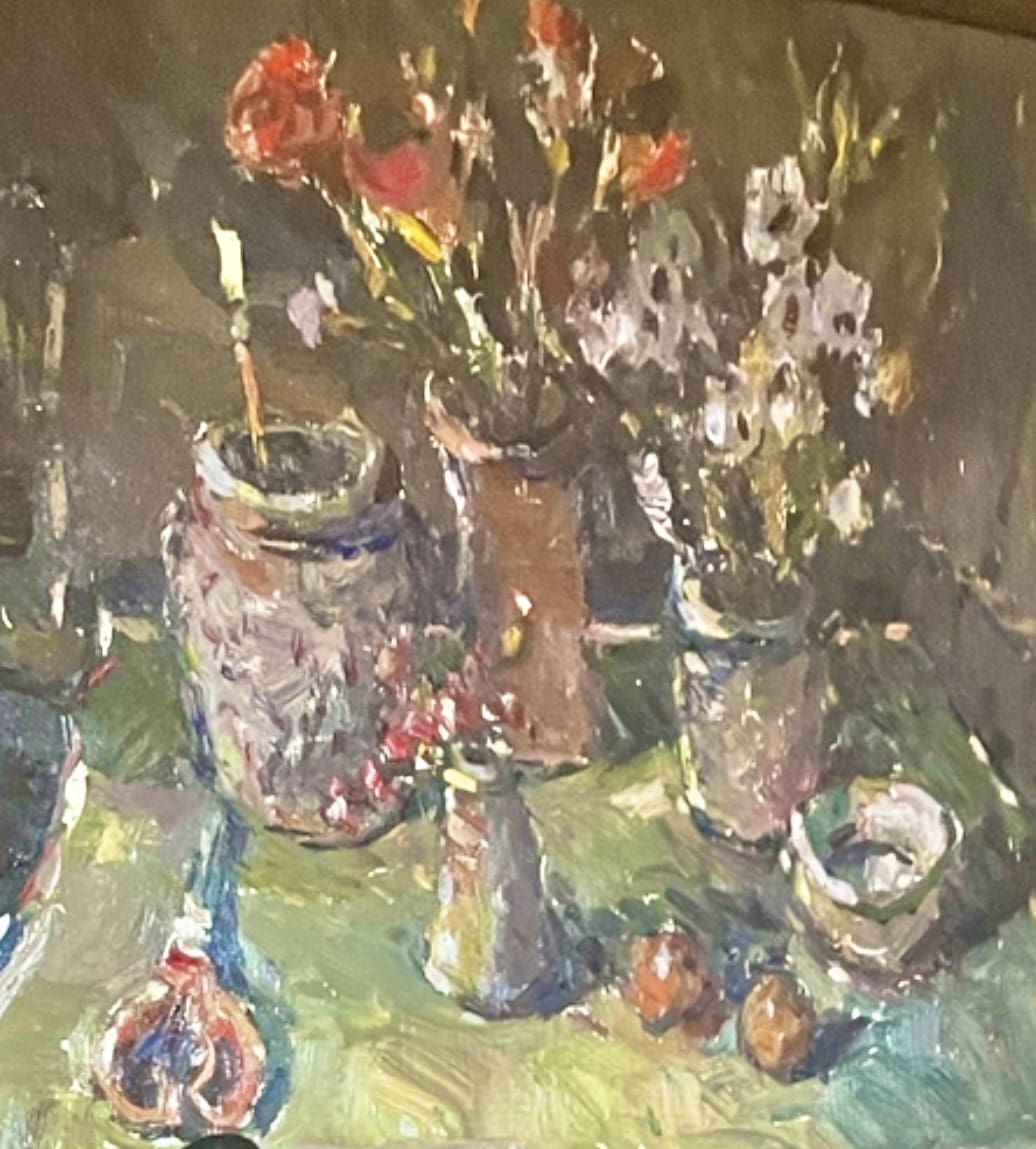
Discussing still life art from an artist's perspective involves exploring how artists approach and interpret the genre. The first to consider is the Composition. Artists carefully arrange objects in a still life to create visually appealing compositions. Factors such as balance, symmetry, and the arrangement of positive and negative space play crucial roles. Followed by observing the play of light and shadow – this is essential in still life art. Artists often use controlled lighting setups to create dramatic effects, emphasizing form, texture, and mood.
Still life artists often focus on capturing intricate details of objects, such as textures, reflections, and surface qualities. This attention to detail enhances realism and adds depth to the artwork. Objects in a still life can carry symbolic meaning or evoke metaphorical associations. Artists may carefully select objects to convey themes such as mortality, abundance, or nostalgia.
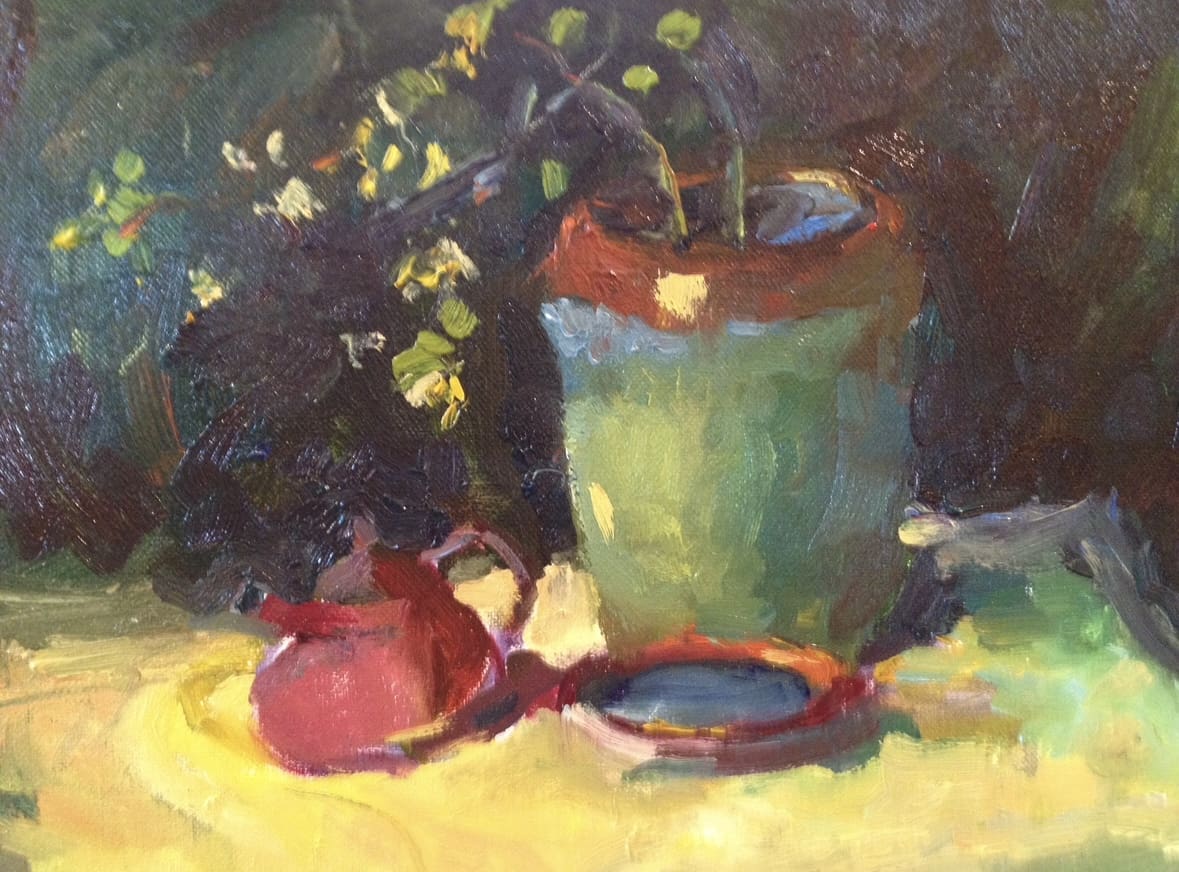
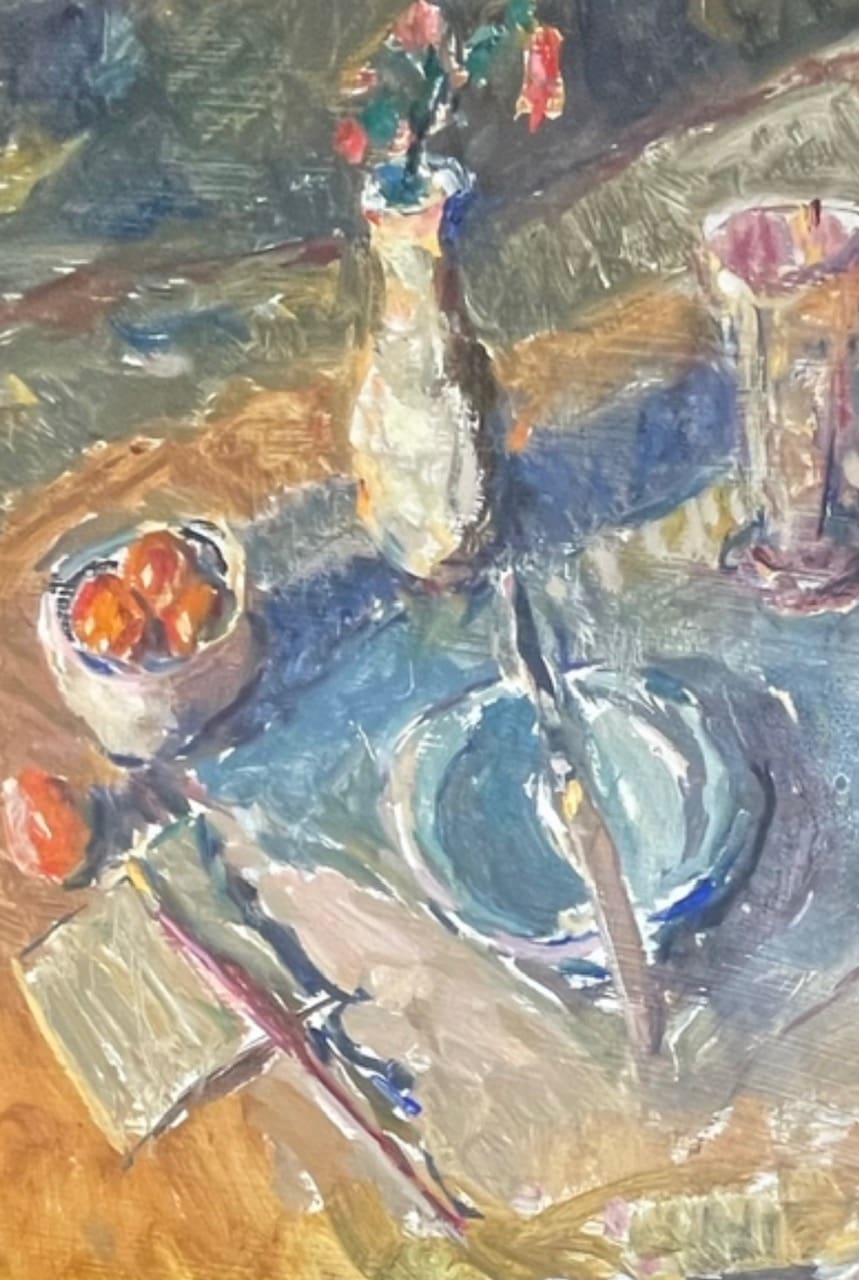
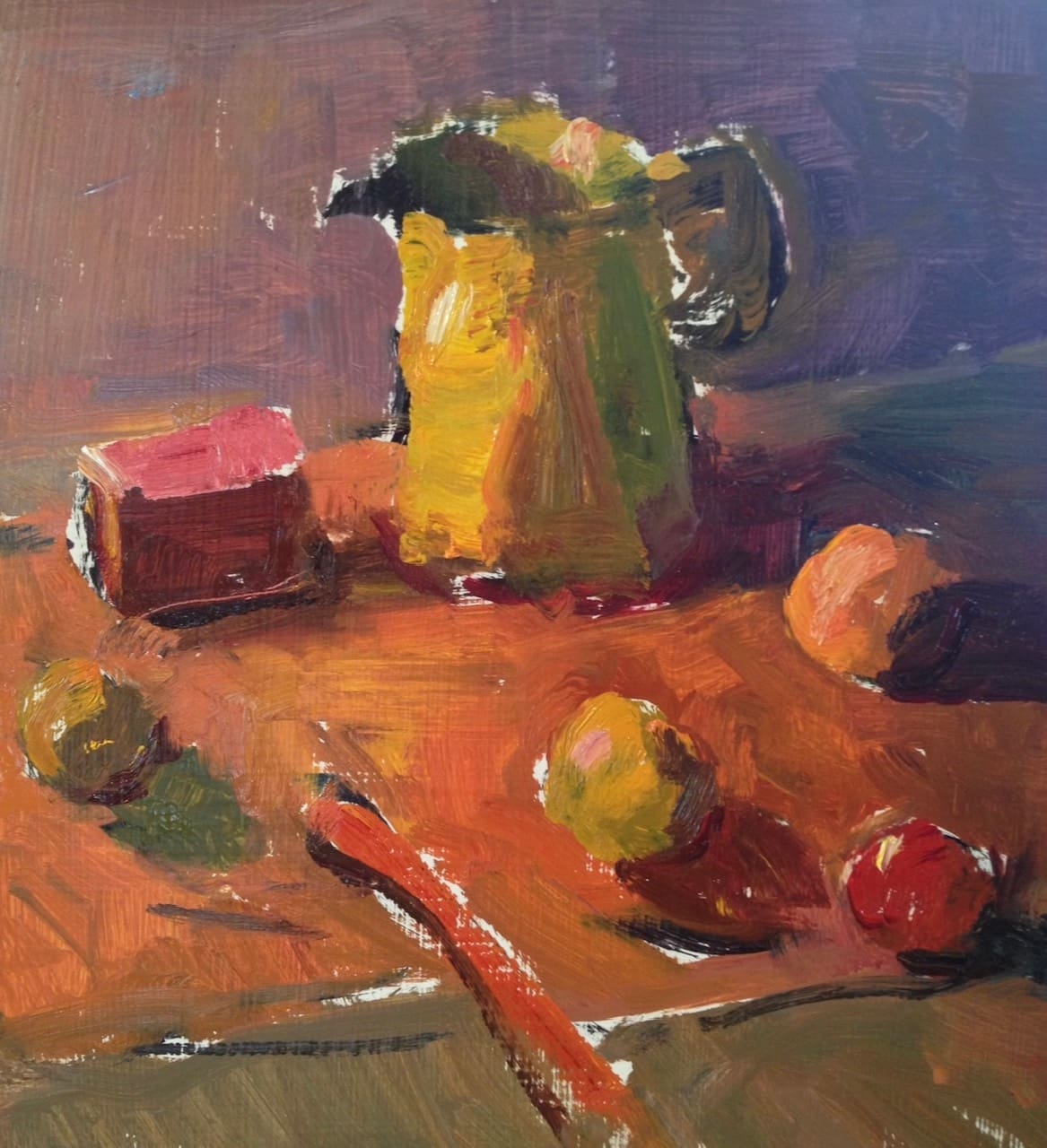
Artists use color theory to evoke mood and atmosphere in still life compositions. They may choose complementary or harmonious color schemes to create visual interest and balance. Artists employ various techniques and mediums in still life art, including painting (oil, acrylic, watercolor), drawing (graphite, charcoal), and even digital art. Each medium offers unique possibilities for expression and style.
Unlike live models or landscapes, still life subjects remain static. Artists explore the temporal aspect by capturing a moment frozen in time, inviting viewers to contemplate the objects' significance. The arrangement of objects in a still life can suggest a narrative or tell a story. Artists may include symbolic elements or juxtapose objects to create visual tension or harmony.
Still life art allows artists to express their unique perspectives and artistic sensibilities. Whether through realistic representation, abstract experimentation, or conceptual exploration, artists bring their personal vision to the genre.
Discussing still life art from an artist's point of view involves appreciating the artistic decisions and techniques that artists employ to transform everyday objects into compelling visual compositions rich in meaning and aesthetic appeal.