Florals
Florals in art serve as a timeless muse, offering artists a rich tapestry of colors, shapes, and symbolism to explore. From a painter's perspective, depicting flowers goes beyond mere replication of nature; it's about capturing the essence and evoking emotional resonance.
The allure of florals lies in their ability to convey beauty, fragility, and transformation. Each bloom and petal become a vehicle for expressing themes of growth, impermanence, and renewal. Artists often infuse their interpretations with personal narratives or cultural significance, imbuing the artwork with layers of meaning.
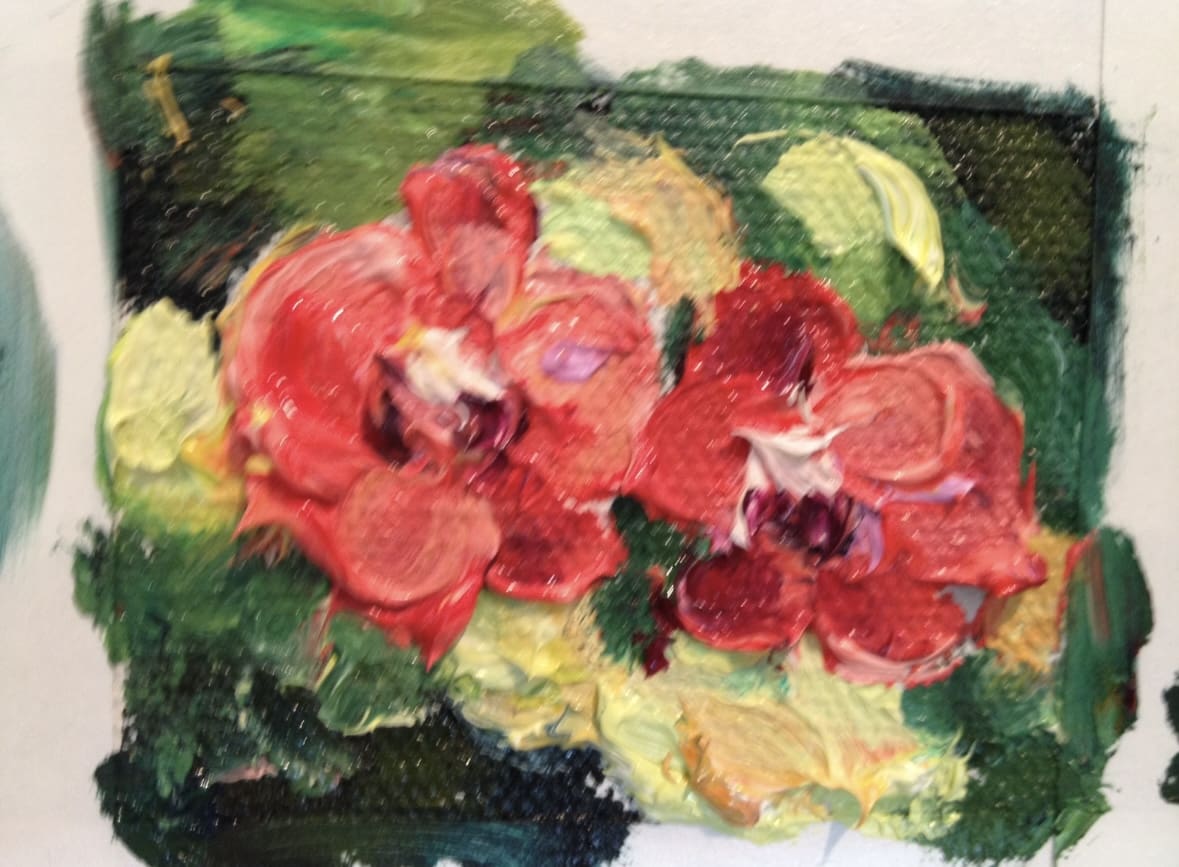
Painting florals requires a keen eye for detail and a mastery of composition. Artists must balance the intricacies of botanical accuracy with artistic license, choosing colors and textures to enhance the visual impact and emotional tone of the piece. Whether rendered realistically or abstractly, florals offer endless possibilities for artistic expression.
Beyond aesthetics, florals in art can evoke nostalgia, provoke contemplation, or celebrate the vitality of life. They serve as a bridge between the natural world and human experience, inviting viewers to pause, reflect, and find solace in their beauty.
In essence, florals hold a cherished place in art history for their ability to transcend time and culture, resonating with viewers across generations. As artists continue to reinterpret and innovate, florals remain a perennial subject that inspires and captivates, capturing the essence of beauty and the subtleties of human emotion on canvas.